Cultivating a foothill sanctuary
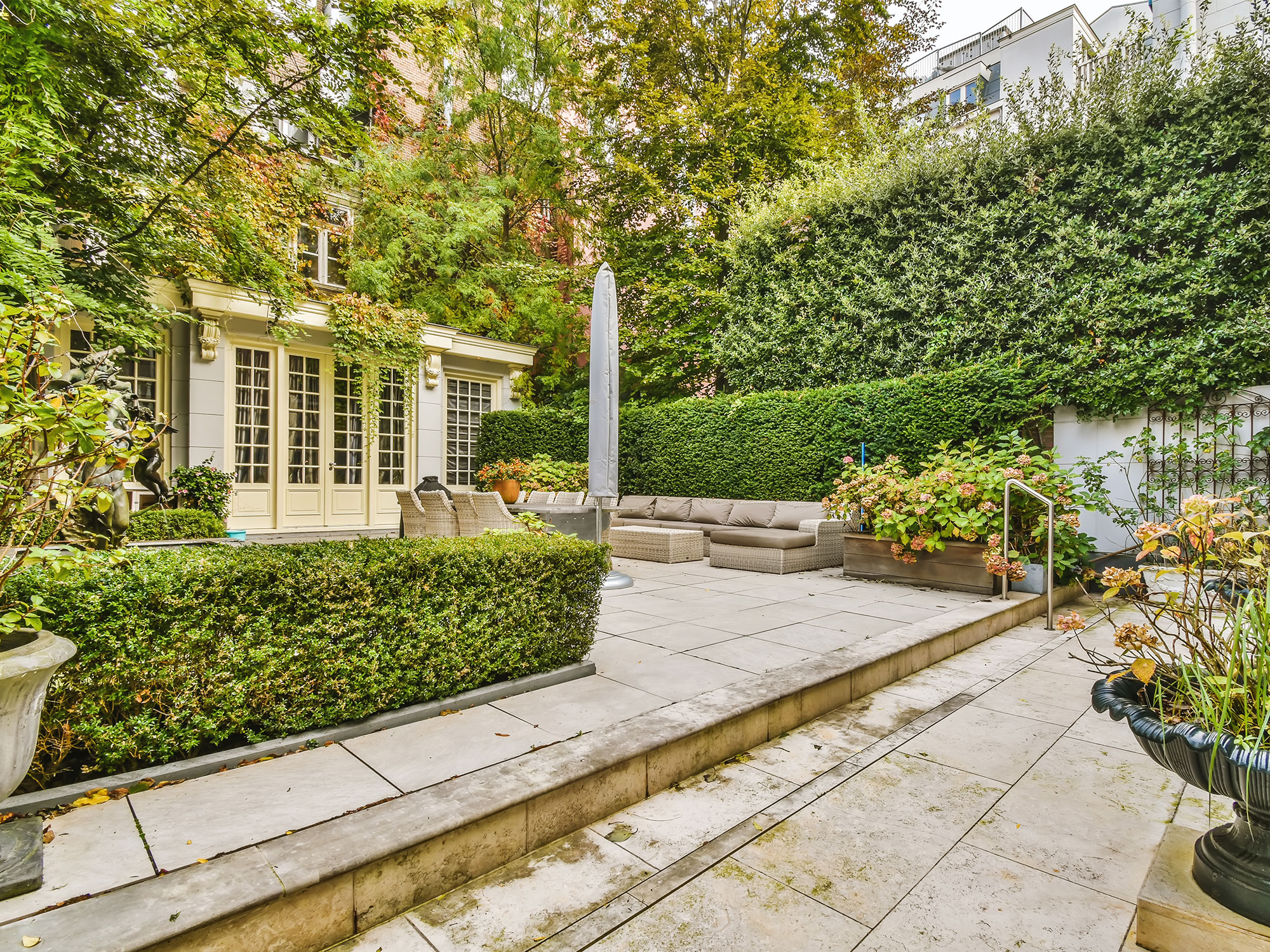
The residential streets of Erindale sit quietly against the rising elevation of the eastern suburbs. Here, property boundaries dissolve into the broader landscape of the Adelaide foothills. Homeowners are increasingly viewing their private blocks as critical extensions of the natural environment.
By stripping back exotic lawns and introducing indigenous flora, residents are creating seamless pathways for local wildlife. This mindful approach to planting shifts the focus from purely aesthetic gardening to meaningful habitat creation. It allows native fauna to move freely without facing impassable concrete barriers.
Rebuilding ecological bridges
These residential landscaping choices carry significant environmental weight. The transition from manicured streetscapes to wild, canopy-rich environments supports a delicate ecological balance. According to a report by Green Adelaide, revegetating local creek lines and surrounding woodlands provides a crucial refuge for native birds.
In Erindale, private gardens act as stepping stones between structured urban environments and the tranquil foothill escarpments. Silver banksias and mature river red gums offer essential shelter for vulnerable species navigating the suburban grid. As noted by horticultural adviser Merilyn Kuchel in Heritage Living magazine, tending to remnant gardens in the Adelaide foothills plays a vital role in maintaining local ecology.
Designing for flight
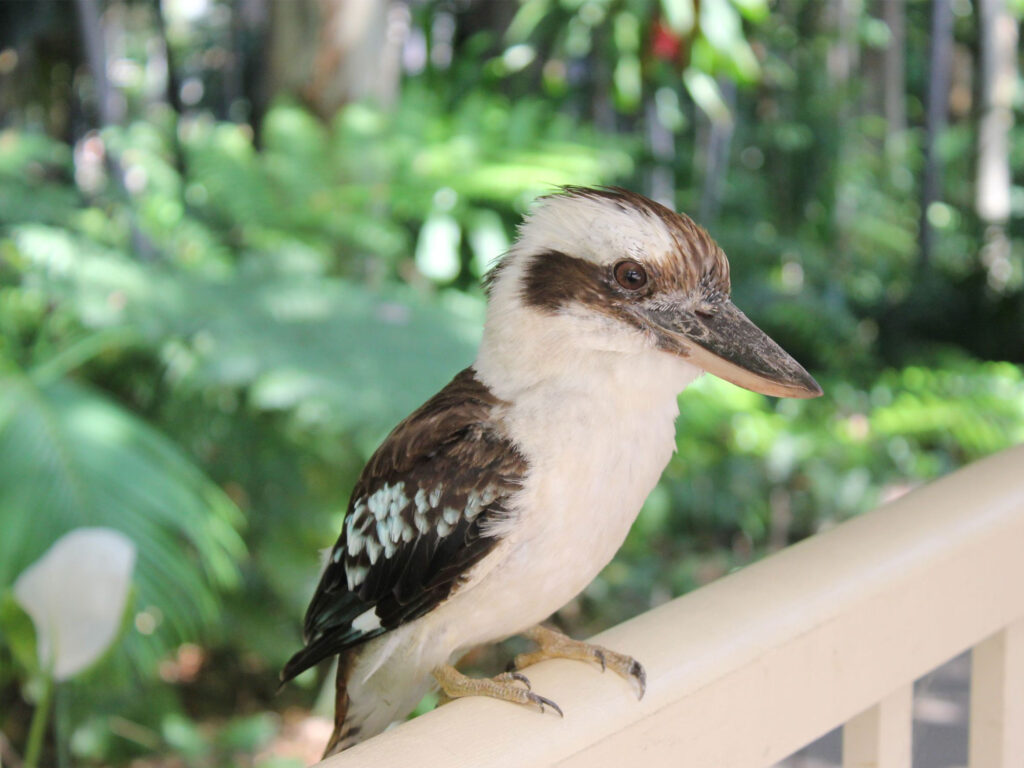
Landscaping for wildlife requires intentional design rather than simple untidiness. Residents are planting multi-tiered gardens that cater to different avian behaviours. Ground-dwelling species seek dense undergrowth, while rainbow lorikeets and kookaburras require the sturdy perches of high-canopy eucalypts reaching up to 15 metres in height.
Small garden additions make a considerable difference in these domestic sanctuaries. Installing shallow water dishes, which cost roughly 25 dollars at local garden centres, provides essential hydration during extended dry periods.
Carefully placed native shrubs offer protective cover from larger predators. Research published by the Department for Environment and Water highlights that these suburban bands of native vegetation serve as essential corridors for mobile wildlife.
A collective natural thoroughfare
The ongoing transformation of Erindale relies entirely on collective participation. One isolated native garden offers a brief rest stop for passing flocks. However, a continuous street filled with indigenous plants creates a resilient and permanent thoroughfare.
Neighbours are quietly exchanging native seeds, sharing propagation tips, and observing the gradual return of superb fairy-wrens to the area. This localised conservation effort requires no formal organisation.
It is simply a shared understanding among locals that their properties belong to a larger, living system. By prioritising native plantings, Erindale residents ensure that the serene escarpments overlooking the city remain deeply connected to the community below.