A walk through historic avenues
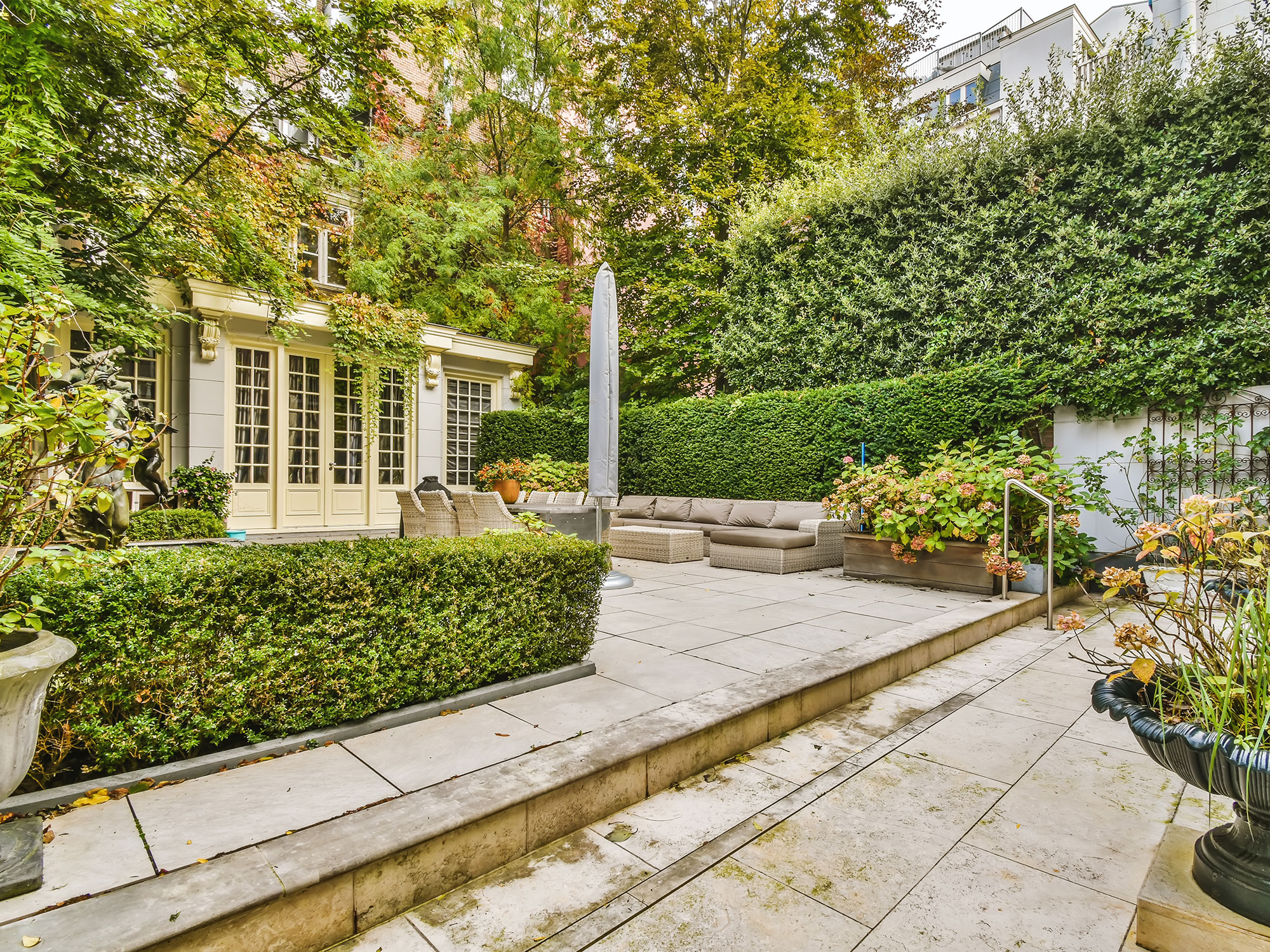
Tusmore presents an enduring study in suburban grace. Broad residential streets lined with mature jacaranda and ornamental pear trees form a natural canopy over some of Adelaide’s most beautifully preserved properties. These extensive green corridors do more than offer shade during the summer months.
They create a distinct boundary between the fast pace of the nearby business districts and the serene residential atmosphere of the neighbourhood. The defining characteristic of the suburb lies in its spacious allotments.
According to the South Australian Heritage Places Database published by the Burnside Council, these generous garden proportions were originally designed to accommodate significant heritage-listed flora alongside the historic housing footprints. Sweeping lawns and structured hedges sit comfortably beside century-old trees.
Preserving the interwar aesthetic
The architectural signature of the area is rooted firmly in the interwar period. Grand bungalows and Tudor-style residences line the avenues, showcasing an era of craftsmanship that favoured substance and longevity. These properties typically feature wide front porches, intricate brickwork, and distinct geometric leadlight windows.
In the Historic Area Statements authored by the City of Burnside planning committee, officials note that the local architectural character relies heavily on unpainted masonry and pitched iron roofs typical of the interwar era. This commitment to material authenticity maintains a cohesive visual identity across the neighbourhood. Homeowners go to great lengths to source original stone and timber when restoring facades.
Inside these residences, the attention to detail continues. Baltic pine floorboards, ornate ceiling roses, and wall heights of three metres are standard inclusions. The spacious layouts originally designed for formal entertaining transition easily into modern family living.
Integrating the old with the new
Modernising these properties requires a careful and respectful approach. Contemporary extensions are generally positioned at the rear of the block, allowing the historic facade to maintain its presence on the streetscape. Architects operating in the area face the dual challenge of updating interiors while preserving the established natural environment.
As detailed in residential project reviews by the architecture firm Grieve Gillett Andersen, modern additions are often specifically scaled and sited to protect the root systems of ancient eucalyptus trees. Floating timber decks and porous driveway paving allow these massive botanical specimens to thrive alongside modern concrete and glass structures.
According to urban tree management research compiled by Treenet, retaining established vegetation on a residential allotment significantly increases the overall amenity and value of the property. The ongoing preservation of these streetscapes ensures that the area remains highly sought after.
Buyers do not just acquire a house, but rather a piece of living history. The grand avenues of this eastern suburb stand as a permanent masterclass in balancing heritage conservation with contemporary lifestyle demands.