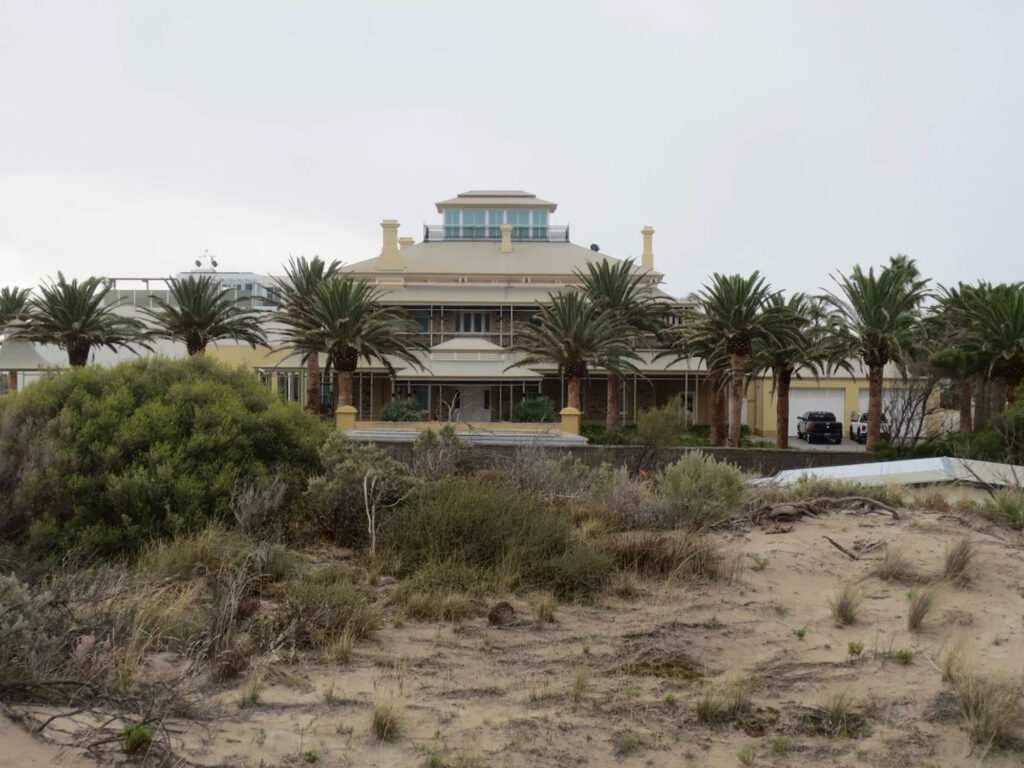
The Wara Wayingga Tennyson Dunes Conservation Reserve holds the last remaining natural dune system along the metropolitan coastline of Adelaide. Formed millennia ago, these rolling formations provide a rare glimpse into the historical ecology of the region. As coastal development expands, the architectural approach in Tennyson has shifted from dominating the landscape to preserving its fragile topography.
Modern homes in the suburb now function as quiet observers of the marine environment. Rather than clearing the land for traditional lawns, property owners are learning to build around the existing natural contours. Local architects prioritise raw materials and passive design to ensure new structures sit respectfully behind the natural coastal barrier.
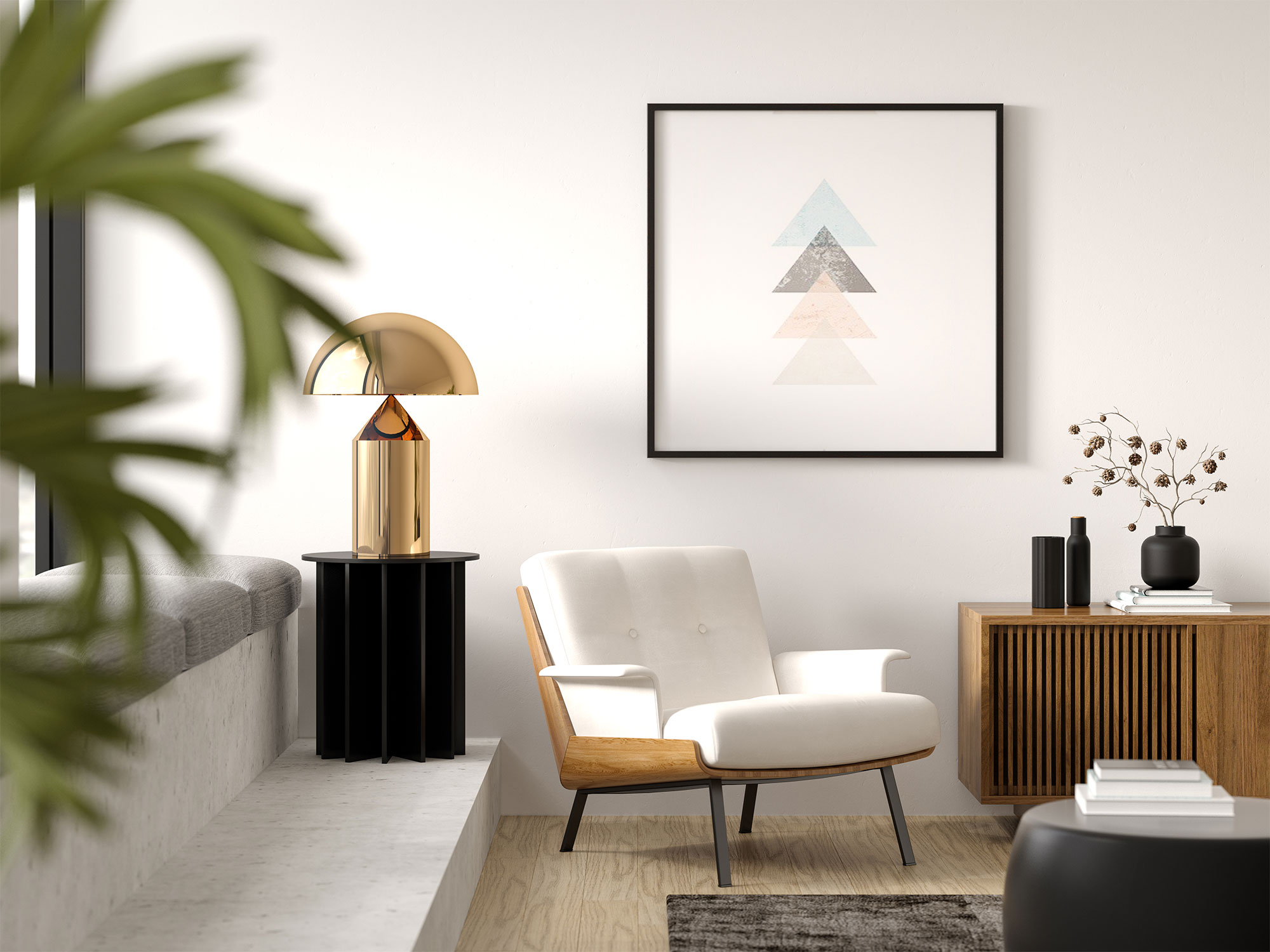
According to Enzo Caroscio of Enzo Caroscio Architecture, speaking to Archipro, successful beachfront homes require an abundance of natural light and highly textured materials to form a sculptural space. Caroscio notes that utilising handmade bricks and muted palettes creates an intentionally imperfect aesthetic. This philosophy mirrors the surrounding environment rather than competing with it.
Blending structures with shifting sands
Instead of imposing rigid, artificial lines upon the landscape, these residences integrate seamlessly with the coastal topography. The design team at Troppo Architects, as highlighted in their project notes, views coastal planning as a continuous dune journey. They emphasise that incorporating natural site levels and slatted screens allows a property to bridge the gap between the beach and the built environment.
Natural timbers, soft stone, and sandy tones begin to weather gracefully, softening the visual impact of the property from the shoreline. Beyond aesthetics, this architectural restraint plays a vital role in environmental conservation. High walls and heavy concrete slabs disrupt natural wind patterns, which can lead to severe sand erosion over time.
By building sympathetic, permeable structures, homeowners actively support the preservation of the dune system. The native flora and fauna rely on this delicate balance to survive the harsh coastal winds and salty air. Community groups and designers often collaborate to plant indigenous vegetation, further anchoring the loose sands.
Living in Tennyson requires a commitment to the greater ecological picture. Property boundaries blur into native grasses, and private courtyards provide shelter without blocking the movement of the coastal breeze. Careful architectural choices ensure the ancient dunes remain protected for future generations to study and appreciate.